










Here are practical and age-appropriate tips for feeding kids, whether you’re dealing with toddlers or older children. These tips focus on creating healthy habits, reducing mealtime battles, and encouraging a positive relate.
General Feeding Tips (For All Age)
- Keep meals regular – Offer 3 main meals + 2 healthy snacks daily.
- Avoid pressure – Don’t force kids to eat; encourage but respect their appetite.
- Offer variety – Expose them to fruits, veggies, grains, and proteins early and often.
- Be a role model – Kids mimic adult eating habits. Eat healthy in front of them.
- Limit distractions – Turn off screens during meals to build good eating focus.
- Portion wisely – Kids need smaller portions than adults. Let them ask for more if hungry.
Here are some kid’s feeding tips by age group, from infants to school- aged children. Each stage has its own nutritional and developmental needs, so the approach to feeding should evolve as they grow:
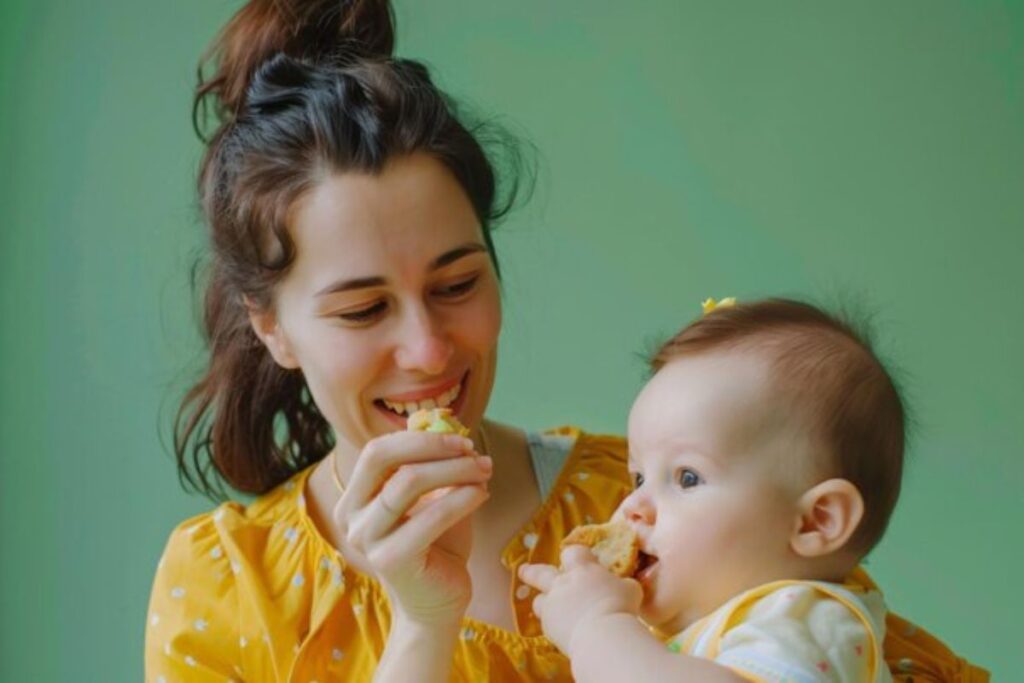
0-6 Months (Infants)
Feeding Focus:
- Exclusive breastfeeding or infant formula.
- Feed on demand – babies know when they are hungry or full.
Tips:
- Watch for hunger cues: rooting, sucking on hands, fussiness.
- Avoid giving solid foods before 6 months unless advised by a doctor.
- Don’t put cereal in bottles – It’s not safe or necessary.

6-12 Months (Starting Solids)
Feeding Focus
- Begin introducing solid foods around 6 months.
- Continue breast milk as primary nutrition.
Tips
- Start with iron- rich foods: pureed meat, iron-fortified cereals.
- Offer single-ingredient purees and gradually increase variety.
- Introduce allergens early (ex. peanuts, eggs, dairy) under pediatric guidance.
- Encourage self -feeding (baby-led weaning is also an option).
- Offer soft, mashed, or finely chopped foods – avoid chocking hazards.
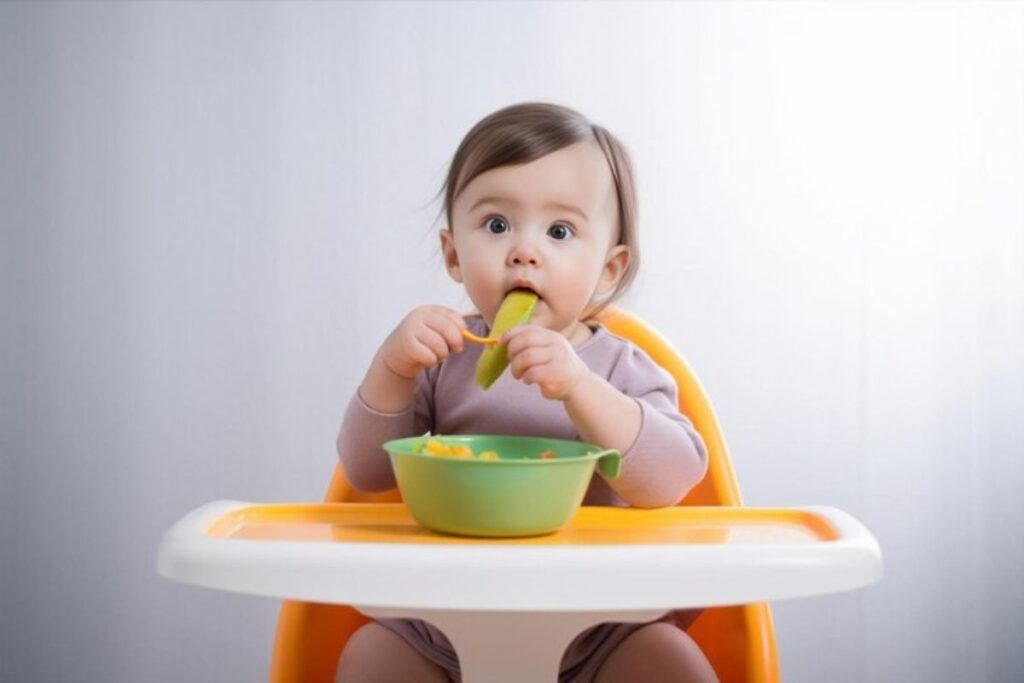
1-2 Years (Toddlers)
Feeding Focus:
- Transition to three meals and two snacks a day.
- Cow’s milk
Tips:
- Expect pickiness – it’s normal.
- Keep offering a variety of foods, even if they reject it.
- Let them explore textures and practice using a spoon/fork.
- No distractions (screen/toys) during meals.
- Make mealtime calm and predictable.

2-5 Years (Pre-schoolers)
Feeding Focus:
- Encourage independence and healthy habits.
- Food preferences form, but still change frequently.
Tips:
- Serve what the family eats, in toddler-appropriate portions.
- Avoid power struggles – they control how much they eat.
- Offer new and familiar foods together.
- Avoid labeling foods good or bad talk about always vs sometimes foods.
- Be patient. It may take many tries before they accept new foods.
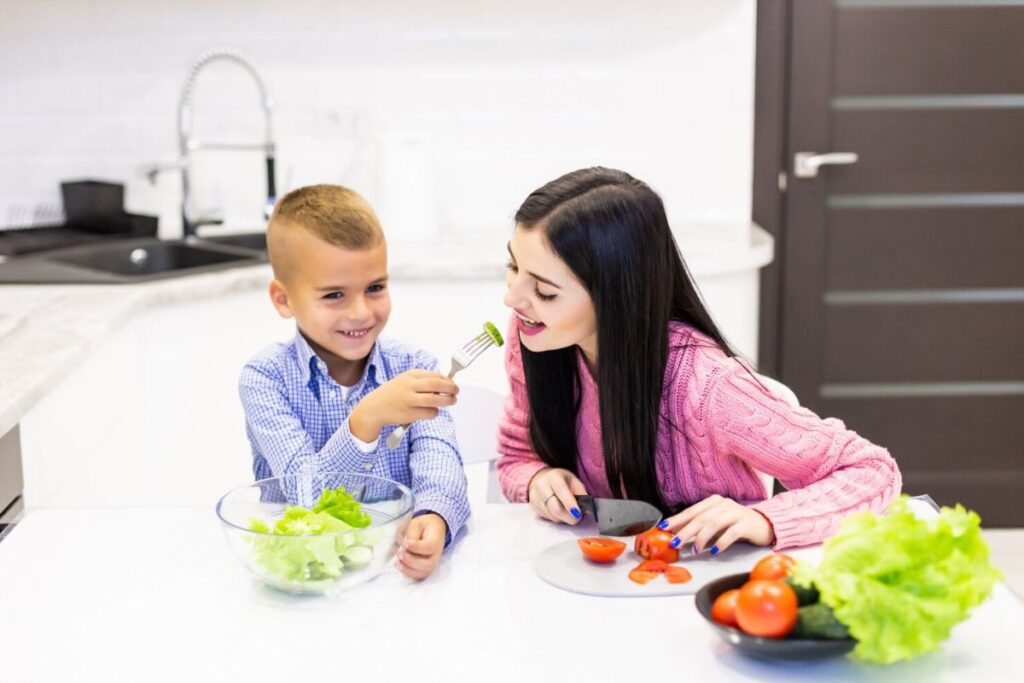
6-12 Years (School-Aged)
Feeding Focus:
- Nutritional needs increase due to growth spurts and activity.
- More exposure to outside influences (ads, friends).
Tips:
- Involve them in meal planning and prep – this increases interest.
- Encourage balanced plates (protein, grain, veggie, fruit, dairy).
- Limit sugary snacks and processed foods, but don’t make them forbidden.
- Teach mindful eating – eat slowly and stop when full.
- Prioritize family meals – even a few times a week has emotional and nutritional benefits.
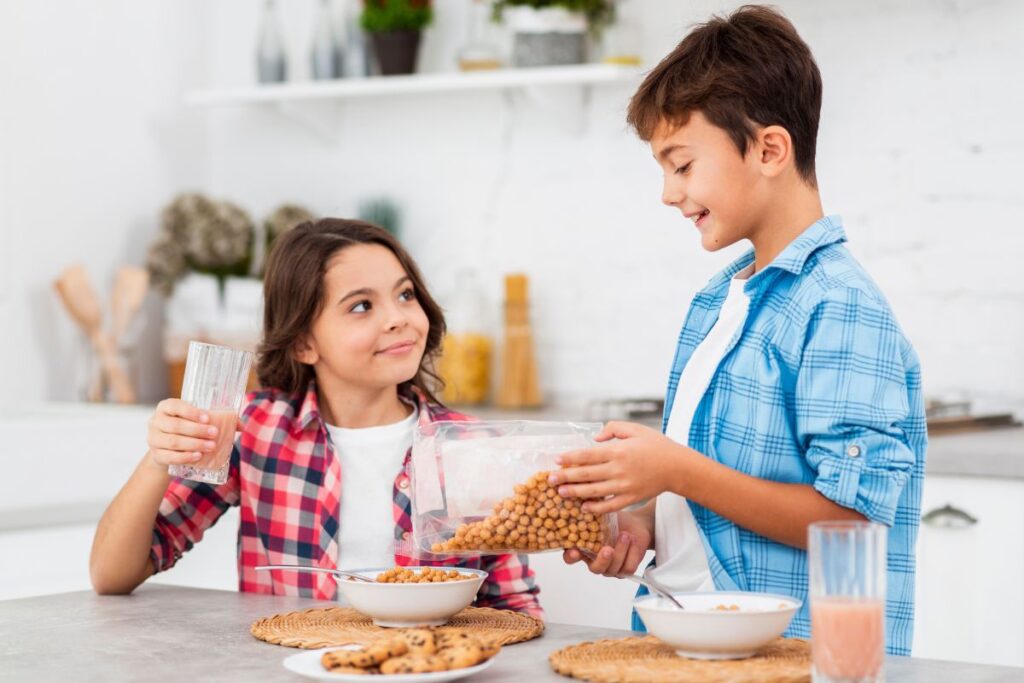
Across All Ages – Foods to Avoid:
- Chocking hazards for under 4: whole grapes, nuts, popcorn, hard candies, chunks of raw vegetables.
- Too much sugar or salt: harms developing taste preferences and health.
- Sugary drinks (soda, fruit drinks) – water and milk are best.
Feeding Utensils
For Infants and Toddlers
- Baby Spoons – Soft-tipped, shallow spoons designed for gentle feeding.
- Training Spoons/Forks – Chunky handles and rounded edges to help toddlers self-feed.
- Silicone Feeders – A mesh or silicone pouch with some holes to let babies chew on fruits or veggies safely.
- Squeeze spoons – Bottle-like container with a spoon tip that dispenses purees directly onto the spoon.
- Weaning utensils – Small, lightweight, often ergonomic tools for baby-led weaning.
DRINKS
- Offer water as the main drink between meals.
- Limit juice quantity.
- Avoid sugary drinks -and sodas completely.
FINAL TIP: KEEP MEALTIME POSITIVE
Focus on connection, not control. Talk, laugh, and enjoy food together– this makes mealtime something they look forward to.